Buying a home is often viewed as the finish line – the point where years of planning finally come together. But in reality, ownership is only the beginning of a much longer journey. Over time, circumstances change. Families grow, careers shift, and priorities evolve. When that happens, the ability of a home to retain its value becomes an important consideration, even if selling feels far away today.
Resale value is not shaped by one single factor. It is the outcome of several decisions – some made at the time of purchase, and others made quietly over the years of ownership.
The Foundation: Location Still Matters Most
No matter how the market changes, location continues to be the strongest influence on a home’s resale value. Connectivity, access to employment hubs, social infrastructure, and future development plans all play a role in determining long-term demand.
Homes located in areas with improving road networks, public transport access, and essential services tend to remain relevant even as newer projects enter the market. While interiors can be upgraded and amenities can be added, location is the one factor that cannot be altered later.
Quality That Holds Up Over Time
Construction quality is often discussed at the time of purchase, but its real impact is felt years later. Structural integrity, material choices, and workmanship determine how a home ages.
Poor construction can lead to recurring repairs, visible wear, and higher maintenance costs – all of which influence a buyer’s perception during resale. Homes that are built well tend to retain their appeal longer and command better value, even as they age.
Layouts That Continue to Feel Relevant
Trends in home design change, but practical layouts age better than fashionable ones. Adequate room sizes, efficient circulation, good ventilation, and natural light all contribute to long-term usability.
Homes that can adapt to changing needs, work-from-home setups, growing families, or aging occupants – often hold their value better than spaces that feel restrictive or outdated.
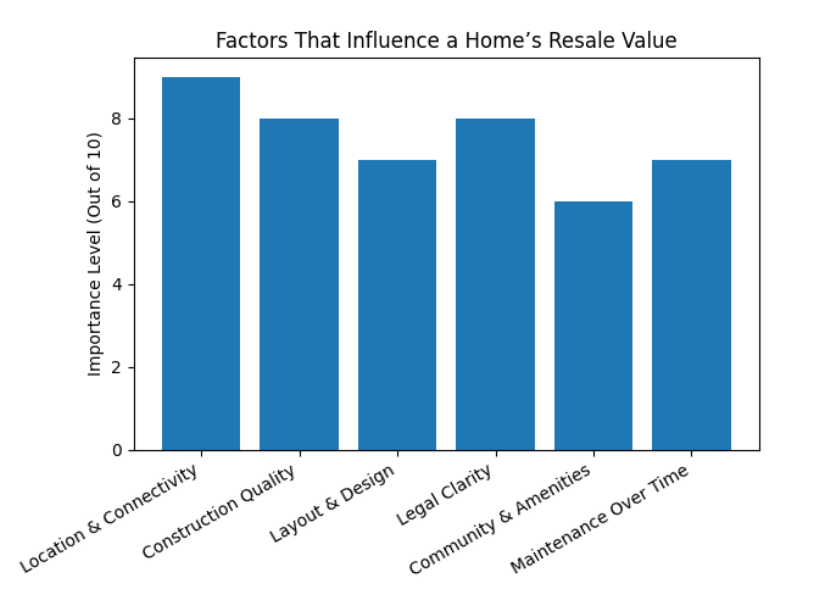
Graph 1: Factors That Influence a Home’s Resale Value
(Illustrative importance index)
This chart highlights how resale value is typically shaped by a combination of factors, with location, construction quality, and legal clarity carrying the most weight over time.
Legal Clarity and Documentation
Clear titles, regulatory approvals, and proper documentation may not feel exciting, but they play a decisive role during resale. Properties with unresolved legal questions or incomplete approvals often face longer selling timelines and price negotiations.
From a buyer’s perspective, legal clarity reduces risk. From a seller’s perspective, it preserves value.
The Role of Community and Shared Spaces
While amenities may attract buyers initially, their real contribution to resale value lies in how well they are maintained. Functional common areas, usable open spaces, and well-managed facilities add to the overall experience of living in a community.
Over time, the quality of management and upkeep often matters more than the number of amenities offered at launch.
Maintenance: The Quiet Influencer
Regular maintenance is one of the most overlooked contributors to resale value. Homes that are consistently cared for – structurally and aesthetically – tend to age gracefully.
Neglected properties, even in good locations, often see slower appreciation simply because buyers factor future repair costs into their offers.
Graph 2: Impact of Maintenance on Long-Term Property Value
(Relative value comparison over time)
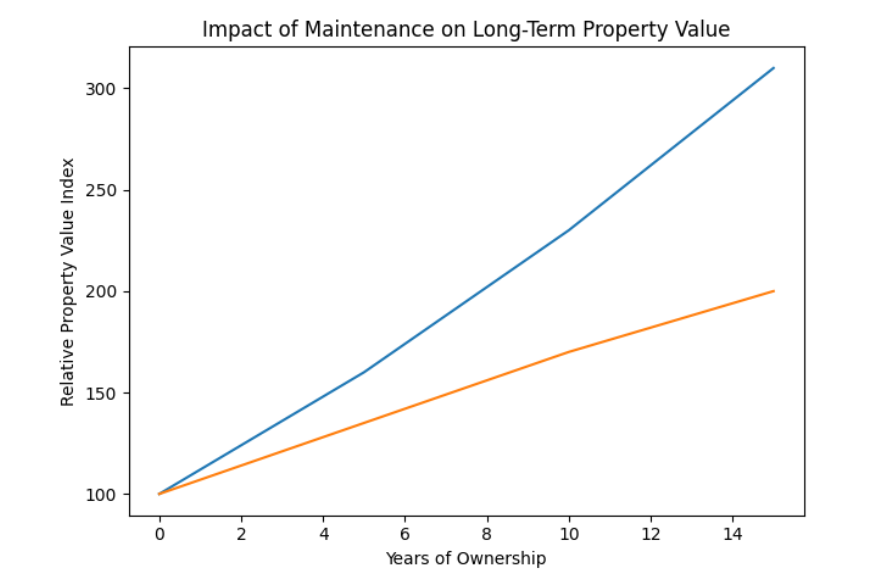
This comparison illustrates how well-maintained homes typically outperform poorly maintained ones in terms of long-term value, even when both start at the same base level.
Values shown are illustrative and represent relative trends over time.
Thinking Long Term Without Overthinking
Resale value is not about timing the market or chasing short-term appreciation. It is about making choices that allow a home to remain relevant, reliable, and desirable over the years.
Homes that hold value usually do so quietly – through good location choices, sound construction, thoughtful layouts, and consistent care. While market cycles will always fluctuate, these fundamentals tend to remain steady.
A Measured Perspective
Looking beyond the purchase does not mean planning an exit. It simply means understanding that a home’s value is shaped over time, not all at once. Whether you sell in five years or fifteen, the decisions made early — and the attention given along the way — often determine how well a home stands its ground when that moment arrives.