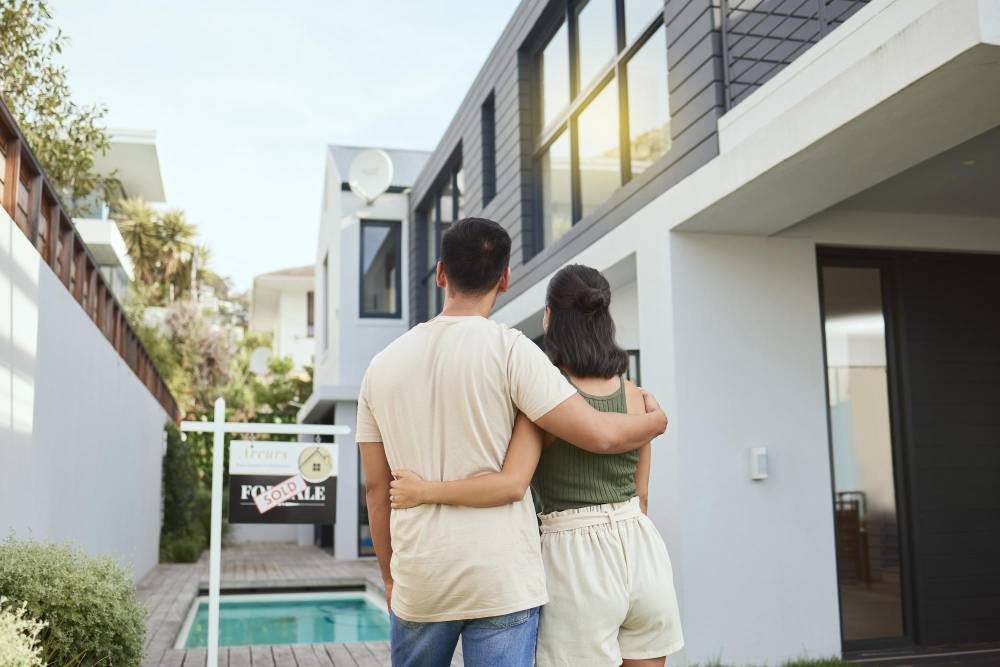
For many homeowners, the idea of a second home often begins as a lifestyle aspiration – a place for weekend breaks, holidays, or time away from the routine of city life. Over time, however, this idea has evolved. A second home is increasingly being viewed not just as a leisure asset, but as a measured financial decision that can support long-term stability and flexibility.
With steady appreciation in property values over the years, owning an additional home has become a way for many individuals to strengthen their financial position while also keeping future options open.
A Long-Term Investment That Grows Steadily
Real estate has historically been regarded as a stable asset class, particularly when held over longer periods. While short-term price movements can vary, property values tend to rise gradually, supported by urban expansion, infrastructure development, and growing housing demand.
For homeowners who already have a primary residence, investing in a second property can help diversify their asset portfolio alongside fixed deposits, mutual funds, or gold. Unlike many financial instruments, a second home offers the dual advantage of capital appreciation and income potential.
When not in personal use, the property can be rented out, generating a steady monthly income. This rental income not only offsets ownership costs but also contributes to overall cash flow, making the investment more self-sustaining over time.
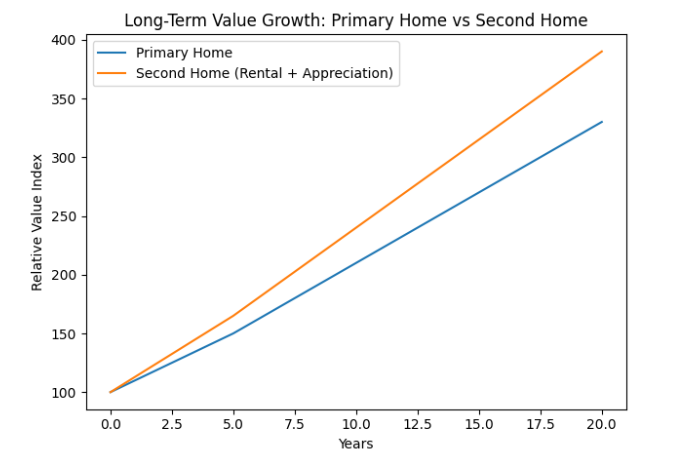
Over time, the difference between owning just one home and holding a second income-generating property becomes more visible.
Planning Ahead for Retirement Living
For many urban homeowners, retirement planning goes beyond financial savings. It often includes the idea of having a comfortable, familiar place to settle down later in life.
Owning a second home provides this flexibility. Whether it is in one’s hometown, a quieter suburb, or a location with emotional significance, a second property can gradually transition into a retirement residence. Until that phase arrives, the home can continue to generate rental income, ensuring that it remains productive even when not occupied.
This approach allows homeowners to plan gradually, without the pressure of making large decisions later in life when circumstances or mobility may be limited.
Strengthening Financial Security Over Time
One of the less discussed advantages of owning a second home is the sense of financial security it can offer. Rental income from a second property can supplement regular earnings and help meet ongoing expenses or loan repayments.
In certain cases, this additional income stream can also be directed toward reducing outstanding debt or avoiding the need for new borrowing. For homeowners who opt for short-term or long-term leasing arrangements, the predictability of rental income provides a degree of financial reassurance.
Over time, this steady inflow can help balance household finances and reduce dependence on a single source of income.
Flexibility Without Immediate Pressure
Unlike many financial commitments, a second home does not always demand immediate personal use. Homeowners have the flexibility to rent it out, hold it as a long-term asset, or gradually adapt it to changing life needs.
This flexibility is what makes the decision appealing for those who prefer measured, long-term planning rather than short-term gains. A second home quietly supports future choices – whether those involve relocation, retirement, or financial restructuring.
A Thoughtful Addition, Not an Impulse Decision
Owning a second home is not about urgency or excess. It is a decision that works best when approached patiently, with a clear understanding of long-term goals and financial capacity.
When chosen carefully, a second property can serve multiple purposes over its lifetime – as an investment, a source of income, and eventually, a place of personal comfort. For homeowners who value stability and gradual growth, it can be a decision that continues to make sense well into the future.
Explore thoughtfully planned homes at Rubrick – Sriven Tripura and Rubrick Tulip, designed to offer a balanced environment for comfortable, long-term living.