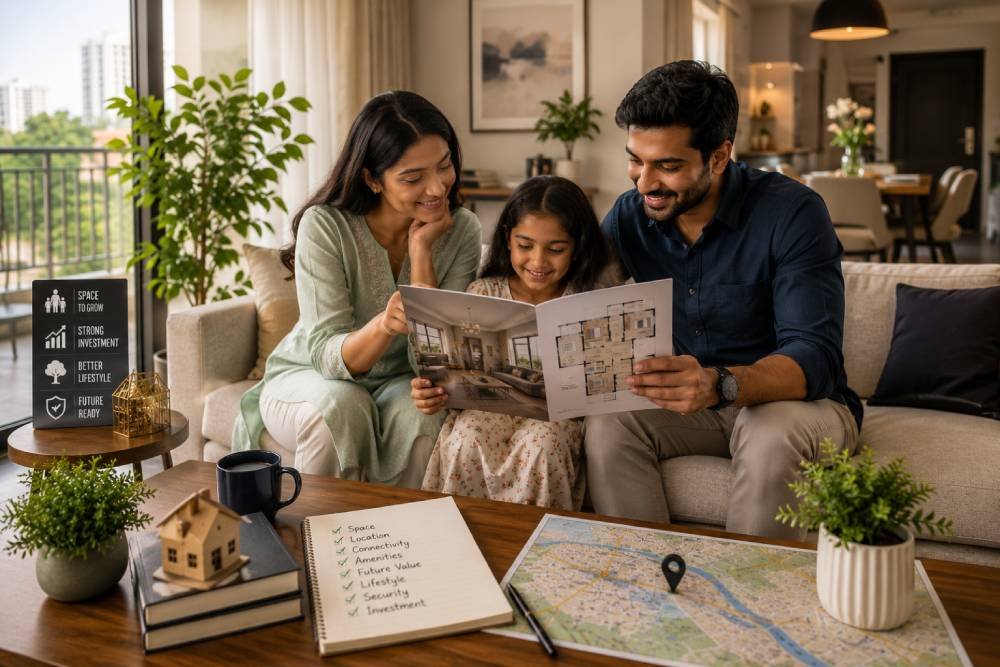
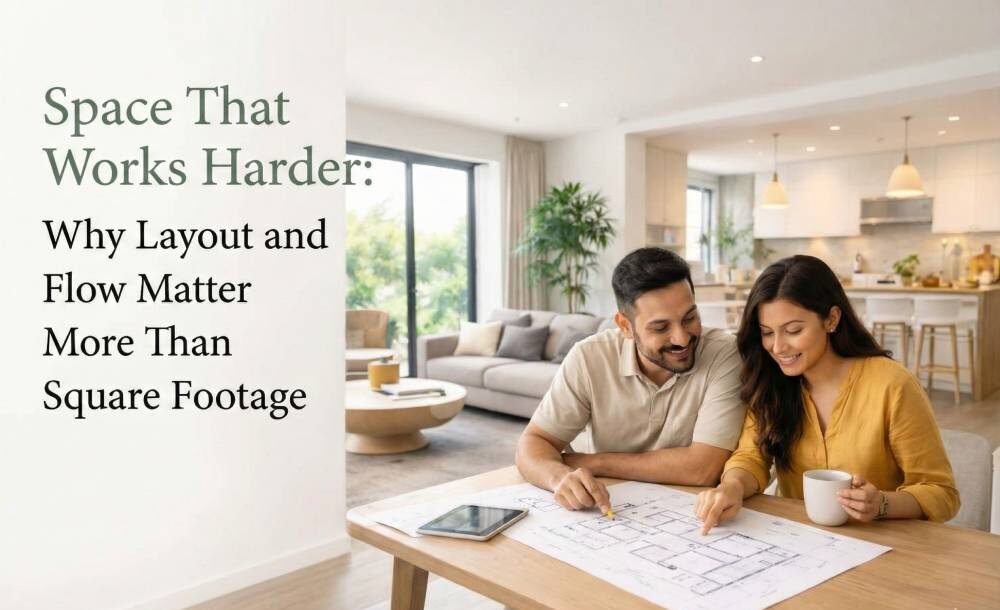
When evaluating a home, square footage is often treated as the most decisive factor. Bigger numbers feel reassuring, offering a sense of value and comfort at first glance. Yet, over time, many homeowners discover that how a space is designed and how it flows matters far more than how large it appears on paper.
A well-planned layout quietly shapes everyday living. It influences movement, comfort, privacy, and how effortlessly a home adapts to daily routines.
When Size Feels Less Important Than Use
Two homes with the same square footage can feel entirely different to live in. One may feel open, calm, and easy to navigate, while the other feels fragmented or restrictive. The difference often lies in how rooms connect, how circulation is planned, and how much usable space remains after walls, corridors, and partitions are accounted for.
Homes designed with efficient layouts tend to reduce wasted areas and allow each space to serve a clear purpose. Over time, this efficiency becomes more noticeable than sheer size.
Flow Shapes Daily Comfort
Flow refers to how naturally one moves through a home – from entry to living areas, from private rooms to shared spaces. Homes with good flow reduce interruptions and allow daily activities to happen without friction.
Well-aligned layouts also support natural light and ventilation, making interiors feel more open and balanced. These elements influence comfort quietly, improving everyday experience without calling attention to themselves.
Adaptability Matters More Over Time
As life evolves, homes are often required to support new routines – working from home, accommodating family changes, or simply offering flexibility. Layouts that allow spaces to adapt without structural changes tend to age better.
Instead of frequent renovations, adaptable layouts allow homeowners to reconfigure usage with minimal effort. This adaptability reduces long-term costs and helps a home remain comfortable through different life stages.
Rethinking Value Beyond Numbers
Square footage provides a starting point, but it does not define how a home will function over time. Layout, flow, and adaptability determine whether a home feels supportive or restrictive as daily life unfolds.
Homes that work harder through thoughtful design often feel more spacious, more comfortable, and easier to live in – regardless of size.
Choosing Space With Intention
A home that prioritises layout over excess size offers a quieter form of value. It supports routines, adapts to change, and enhances everyday living without demanding constant adjustments.
For homeowners planning with a long-term perspective, space that works harder often proves more meaningful than space that simply looks larger on paper.
Explore homes at Rubrick – Sriven Tripura and Rubrick Tulip, where thoughtful layouts and efficient planning create spaces that adapt effortlessly to daily life.