For most homebuyers, affordability is often reduced to a single monthly figure – the EMI. While this number is important, it represents only one layer of a much larger financial commitment. The real cost of owning a home reveals itself slowly, shaped by everyday expenses, long-term upkeep, and how well the home adapts over time.
Looking beyond the EMI allows homeowners to understand ownership not as a monthly obligation, but as a long-term equation.
The Full Cost Doesn’t Begin or End at Possession
At the time of purchase, buyers carefully evaluate down payments, loan tenure, and interest rates. These upfront decisions are tangible and immediate. However, ownership extends far beyond possession day.
Registration charges, stamp duty, interiors, and furnishing costs are usually anticipated early. What often goes unnoticed are the expenses that surface gradually – maintenance charges, periodic repairs, insurance, and association-related costs that continue year after year.
Maintenance: The Quiet, Consistent Expense
Every home requires regular upkeep to remain comfortable and functional. Monthly maintenance charges, whether managed through a residents’ association or independently, support shared amenities, security, and essential services.
Over the long term, construction quality plays a decisive role. Homes designed with durable materials and efficient systems often experience fewer repairs, while others may require increasing intervention as they age. What feels like a small monthly charge early on can become a significant long-term expense if not planned carefully.
Utilities and the Cost of Everyday Living
Beyond maintenance, utility expenses form a recurring part of ownership. Electricity, water, and common-area charges reflect not only consumption habits, but also the efficiency of the home’s design.
Natural ventilation, daylight access, water management systems, and energy-efficient fittings influence these costs quietly but consistently. While these factors may not affect the EMI, they shape monthly living expenses year after year.
Homes That Adapt Reduce Future Spending
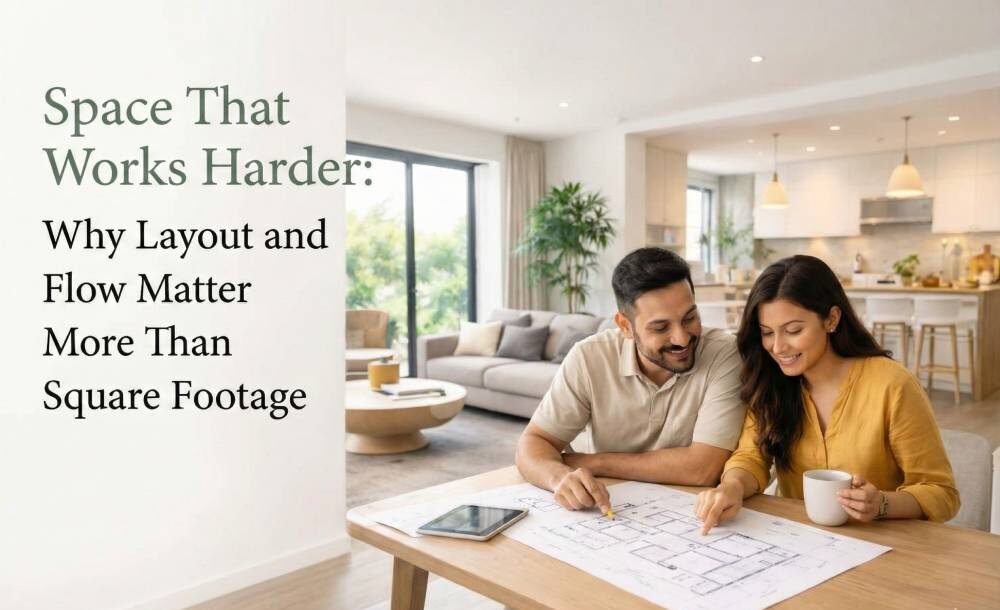
Over the course of a home loan, life circumstances often change. Families grow, work patterns shift, and priorities evolve. Homes that allow flexibility — without requiring structural changes — help reduce renovation costs and avoid premature relocation.
Layouts that support evolving needs tend to age better, allowing homeowners to adapt gradually rather than react financially. This adaptability plays an understated but important role in controlling long-term costs.
Viewing Ownership as a Long-Term Equation
When viewed collectively, ownership costs form a long-term pattern rather than isolated monthly expenses. The EMI sets the rhythm, but maintenance, utilities, repairs, and adaptability determine how sustainable that rhythm remains.
Understanding this broader picture helps homeowners make decisions that remain comfortable over time – not just affordable at the point of purchase.
A More Balanced Way to Measure Affordability
Evaluating a home beyond its EMI encourages a calmer, more informed approach to ownership. It shifts the focus from short-term affordability to long-term ease, allowing homeowners to plan with clarity and confidence.
When chosen thoughtfully, a home continues to support everyday living without becoming a financial burden over time.
Explore homes at Rubrick – Sriven Tripura and Rubrick Tulip, thoughtfully planned to balance long-term costs, everyday comfort, and sustainable living over time.